
Small Group expedition
Into Hidden Thrace: Greece`s Silk Road Legacy
the unseen greece
The Paths of Silk: A 5-Day Journey Through Thrace's Hidden Heritage
Thrace served as the final European crossroads of the ancient Silk Road, bridging Anatolia with the Mediterranean. Today, few travelers venture into this northeastern corner of Greece, where Byzantine churches, Ottoman mosques, ancient bridges, and silk-weaving traditions coexist in mountain villages untouched by mass tourism. This 5-day journey invites you to walk where merchants once traded, cultures blended, and the threads of East and West were woven together.
In 552 AD, two Byzantine monks returned from China carrying a secret that would change Europe forever: silkworm eggs hidden inside hollow bamboo canes. Emperor Justinian I had sent them on a mission of industrial espionage, and their success broke China’s thousand-year monopoly on silk production. The Byzantine Empire, with Thrace at its heart near Constantinople, became Europe’s first silk-producing region—a status it would jealously guard for the next 650 years.
This carefully curated itinerary is designed for small groups of up to 8 travelers and will be available in June and September 2026, offering an intimate and unhurried way to explore Greece. Guided by Slow Travel principles, the experience emphasizes mindful exploration, meaningful connections, and the empowerment of local communities.
Through Thrace, the ancient Silk Road took root. Caravans brought Chinese silk, Persian spices, and Indian gems to meet maritime routes from the Black Sea and Mediterranean. In cities like Didymoteicho, merchants from three continents traded in markets where Greek, Turkish, and Slavic languages mixed freely.
By the 19th century, Soufli had become the “City of Silk,” exporting to Milan and Lyon. Today, it remains the only place in Greece still producing silk, maintaining a 1,500-year connection to those two monks who smuggled silkworms from China.
Our day-to-day itinerary plan
Small group experience • Expert local guides • Authentic cultural immersion • Hidden Greece beyond tourism
Request the full detailed program PDF here
Day 1: Xanthi's Mountains and Old Town
Our journey begins in Xanthi, where we board our private bus and head into the Rhodope Mountains. There, we explore Kalyva Castle, the Stavroupoli Folklore Museum and the ancient rock paintings. Next, we will swim in the healing thermal waters of Kato Thermes before enjoying a guided walking tour of Xanthi’s atmospheric old town and exploring historic mansions and cultural landmarks.
Day 2: Silk Road Heritage Along Lake Vistonida
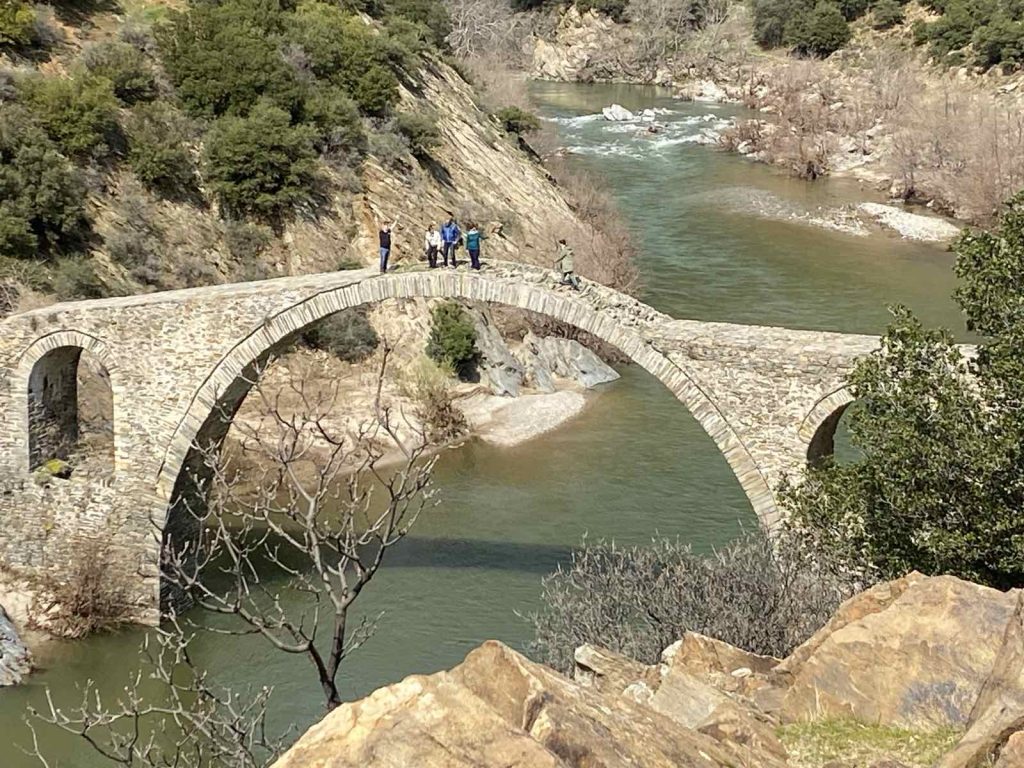
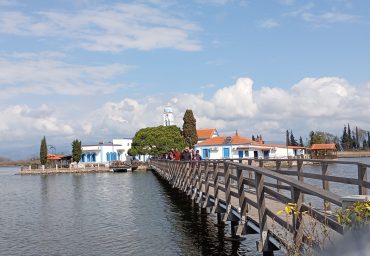
On our second day, we will visit the Archaeological Museum of Avdera and the Chapel of Saint Nicholas, which rises from the waters of Lake Vistonida and enjoy a birdwatching tour in its serene waters. Then explore the heritage of Thrace at the Museum of Agricultural and Cultural Heritage in Iasmos, cross the elegant Polianthos Bridge and discover Komotini’s multicultural old town with an expert archaeologist.
Day 3: Silk Art and Traditional Music
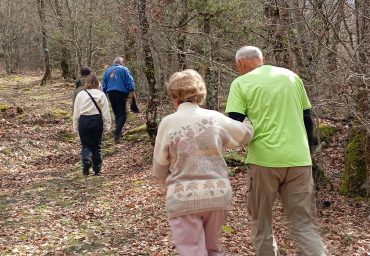
On our third day, we will visit Soufli’s Museum of Silk Art to learn how Thrace became central to Europe’s silk industry. We will then walk through Dadia’s protected forest and visit Orestiada before joining a traditional bagpipe celebration in Pentalofos village, which will offer us an authentic immersion into Thracian musical heritage.
Day 4: Byzantine Treasures and Spiritual Heritage
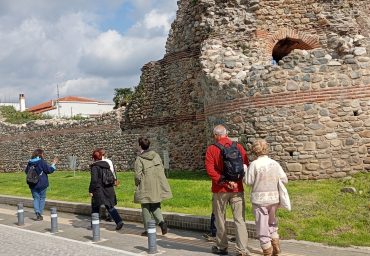
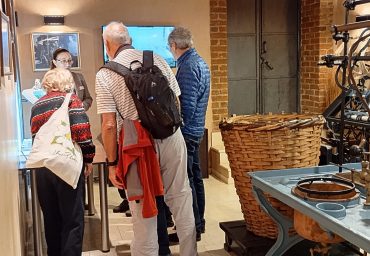
On the fourth day of our journey through Thrace, we will visit the Byzantine Museum of Didymoteicho, which is housed in a former mosque. We will also visit the impressive Cantacuzino Castle, which boasts panoramic views of the border, and discover the mystical Roussa Monastery, where Sufi traditions once flourished. Finally, we will enjoy authentic slow food in a village in Mikro Dereio before relaxing in our hotel in Alexandroupoli.
Day 5: Nature, Faith, and Coastal Return
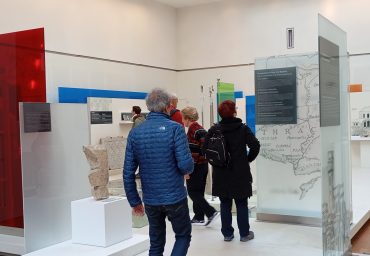
On our last day, we will enjoy a guided tour of the Ethnological Museum of Thrace, a stunning boat tour through the Evros Delta wetlands and a visit to the magnificent Monastery of Theotokos Kosmosoteira. We will then return to Xanthi via the coastal route through ancient Maroneia.
Starting point of our Greece`s Silk Road exploration
Our starting point is Xanthi, the capital city of the Xanthi regional unit, in northeastern Greece. Xanthi is amphitheatrically built on the foothills of the Rhodopi mountain chain in Western Thrace, northeastern Greece, and serves as your entry point to the retreat.
Private transfer: We can arrange direct pickup from either airport upon request.
- Pittakou 20, 546 45, Thessaloniki
- +30 6907969759
- [email protected]
Ready to explore Greece at a slower pace?
Fill out the contact form and let’s start planning.



 English
  Greek
Greek